When Are Compounded Treatments Appropriate for Rosacea?
Understanding when a compounded formulation might be considered for rosacea, and the balance between necessity and risk.
Rosacea is a chronic skin condition marked by facial redness, swelling, and sometimes acne-like bumps. FDA-approved treatments are available, but they don't work for every patient. In some cases, a provider may consider a compounded formulation — this article explains when that might be appropriate, and what to weigh alongside the benefits.
When a Compounded Formulation May Be Considered
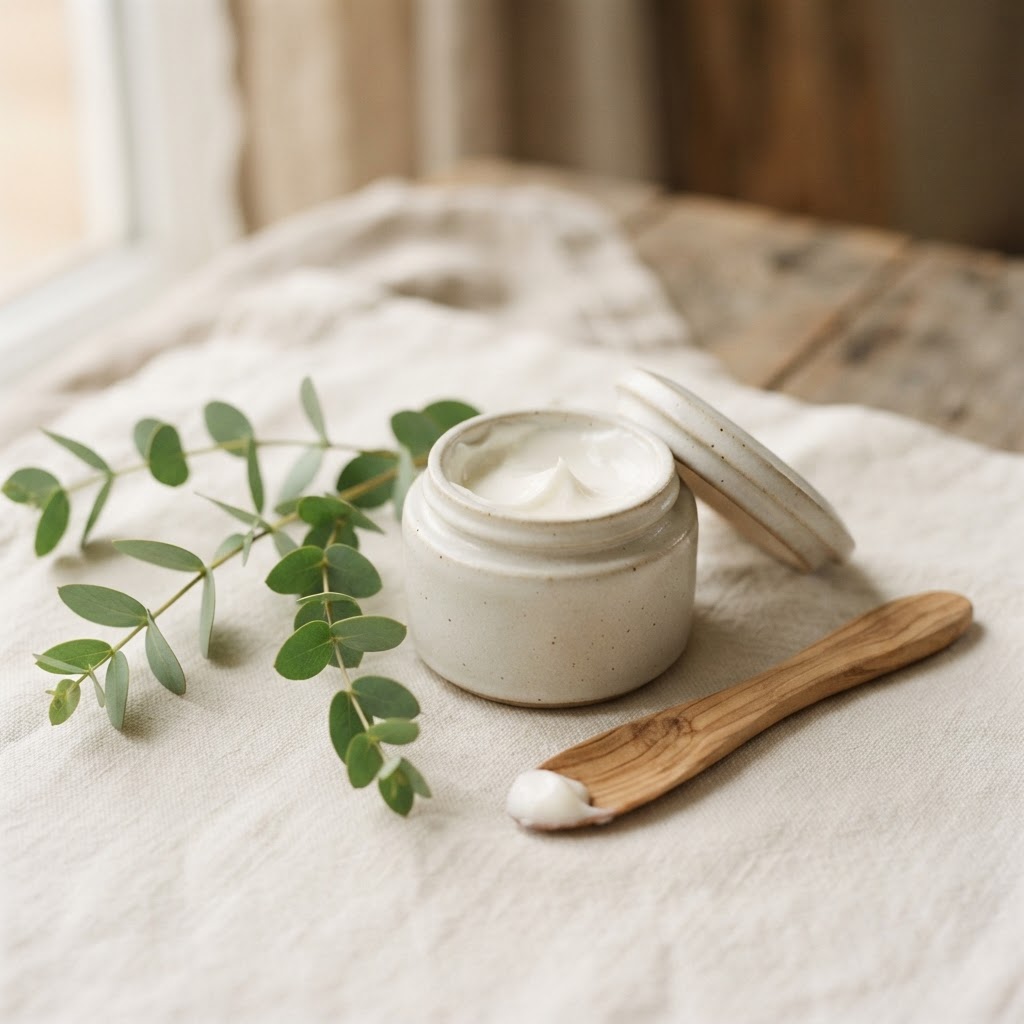
Compounded medications are custom-prepared by a pharmacist to meet a specific patient's needs. For rosacea, a provider might consider a compounded option when standard FDA-approved medications aren't suitable — for example, if a patient has an allergy to an inactive ingredient in a commercial product, a compounded version without that ingredient may be appropriate. Some patients also have difficulty with certain dosage forms, such as creams versus a different topical base, and may benefit from an alternative formulation.
- An allergy or sensitivity to an inactive ingredient in a commercial product
- Difficulty tolerating the available dosage form (cream, gel, or other base)
- A prescribed drug appearing on the FDA's drug shortages list, where compounding may be an option under specific legal conditions
Risks and Considerations
Compounded medications can be valuable for some patients, but they are not without risks. Unlike FDA-approved drugs, compounded medications are not verified by the FDA for safety, effectiveness, or quality before they're prepared, which means there can be variation in quality and consistency compared to a commercially manufactured product. Because of this, compounding is generally considered only when it is medically necessary — not as a routine substitute for an FDA-approved option.
💡 Unnecessary use of compounded medications can carry added risk, including contamination or inconsistent dosing. Compounding pharmacies follow specific preparation and quality standards to help minimize these risks.
Questions to Discuss With Your Provider
- Why is a compounded medication being recommended instead of an FDA-approved option?
- What are the specific ingredients in the formulation, and are there potential allergens?
- How should the medication be applied, and what side effects should I watch for?
- What quality standards does the compounding pharmacy follow?
All compounded rosacea formulations require a valid prescription from a licensed healthcare provider. Sierra Compounding Pharmacy prepares topical formulations to the provider's exact specifications.
Frequently Asked Questions
Sierra Compounding Pharmacy Can Help
All compounded medications require a valid prescription from a licensed healthcare provider. If your provider has determined that a customized compounded formulation is appropriate for your needs, Sierra Compounding Pharmacy — located in Rancho Cucamonga — is here to help. We serve patients throughout the Inland Empire, including San Bernardino County, Riverside County, and surrounding communities.
Related Education Articles

Custom Dermatology Compounding: What Patients Should Know
How personalized topical formulations may support dermatology and aesthetic prescription needs.

What Is Bioidentical Hormone Therapy (BHRT)?
A patient-friendly guide to understanding personalized hormone support and what to ask your provider.

Weight Management and Compounding Pharmacy Support
How personalized compounded medications may support provider-directed weight management plans.
Questions About Compounded Medications?
Sierra Compounding Pharmacy serves patients and providers throughout the Inland Empire. Contact us or ask your provider to send a prescription directly.