
Grapefruit and Medication: Check the Exact Drug, Not Just the Drug Class
Learn why grapefruit affects some medicines but not all, why juice interactions differ, and what information your pharmacist needs to check your prescription.
A warning about grapefruit can sound oddly specific. If a food is part of a healthy diet, why would it matter to a prescription? The answer depends on how a particular medicine is handled in the body. Grapefruit can interact with some prescription and nonprescription medicines. It does not interact with every drug, and even medicines used for the same condition may have different instructions.[1] The safest starting point is the exact product you take.
An interaction can change the amount of medicine available
FDA explains that grapefruit can interfere with an intestinal enzyme involved in processing some medicines. This can allow more medicine to enter the bloodstream and increase the risk of adverse effects. Other juice-drug interactions work differently and can reduce the amount absorbed.[1] These differences matter because there is no single response that fits every product. A warning for one cholesterol or blood-pressure medicine should not automatically be applied to every medicine in that category. Likewise, the absence of a warning on a friend's prescription tells you nothing about your own.
Whole fruit and mixed drinks deserve attention too
FDA's guidance covers grapefruit as well as grapefruit juice. It also notes that Seville oranges, pomelos, and tangelos may have similar effects in relevant situations.[1] When asking about an interaction, describe what you actually consume. Is it whole fruit, a juice blend, or an occasional drink with an uncertain ingredient list? Bring the packaging if possible. Ask the pharmacist which foods or beverages the instructions for your medication require you to avoid. Do not invent a safe waiting interval between the fruit and the medicine. Have the pharmacist explain the product-specific recommendation rather than assuming that moving breakfast solves the concern.
Not every juice warning is a grapefruit warning
Fexofenadine, an allergy medicine, illustrates why reading the exact directions matters. Its MedlinePlus patient information says not to take it with fruit juices such as orange, grapefruit, or apple juice.[2] That instruction should not be generalized to every allergy medicine or every person's diet. It is an example of how the interaction depends on the drug and beverage together. Replacing grapefruit juice with another juice is not necessarily the answer without checking the label.
Make the review easy to complete
Have the medication name, strength, dosage form, and current directions ready. Include nonprescription medicines and supplements. FDA recommends discussing foods and beverages as well as the full medication list when reviewing possible interactions.[3] Useful questions include:
- Does this exact medicine have a grapefruit or other juice interaction?
- Does the advice apply to eating the fruit, drinking juice, or both?
- What should I do if I have already consumed it?
- Are there symptoms that require prompt medical attention?
If you have already combined them, report the amount and timing honestly and seek advice rather than skipping, doubling, or replacing a dose yourself. Severe symptoms warrant urgent medical care. For help checking a prescription, contact Sierra Compounding Pharmacy with the label and the food or beverage details. A general internet list can flag a question, but it cannot replace a review of your actual regimen. This article is general education and does not provide a complete interaction list or authorize medication changes.
References
- 1. U.S. Food and Drug Administration. Grapefruit Juice and Some Drugs Don't Mix. https://www.fda.gov/consumers/consumer-updates/grapefruit-juice-and-some-drugs-dont-mix
- 2. American Society of Health-System Pharmacists. Fexofenadine. AHFS Patient Medication Information, hosted by MedlinePlus. https://medlineplus.gov/druginfo/meds/a697035.html
- 3. U.S. Food and Drug Administration. Drug Interactions: What You Should Know. https://www.fda.gov/drugs/resources-drugs/drug-interactions-what-you-should-know
- Sources accessed October 13, 2026. Access date is not a source publication date.
Sierra Compounding Pharmacy Can Help
All compounded medications require a valid prescription from a licensed healthcare provider. If your provider has determined that a customized compounded formulation is appropriate for your needs, Sierra Compounding Pharmacy — located in Rancho Cucamonga — is here to help. We serve patients throughout the Inland Empire, including San Bernardino County, Riverside County, and surrounding communities.
Related Education Articles

Levothyroxine, Calcium, and Iron: Making Sense of Medication Timing
Learn why calcium and iron can affect levothyroxine, what information to bring for a timing review, and why dose changes should stay with your prescriber.

How to Make a Medication List That Includes Compounded Prescriptions
Build a useful medication list with prescriptions, compounded products, supplements, and actual doses to share with your pharmacist and care team.
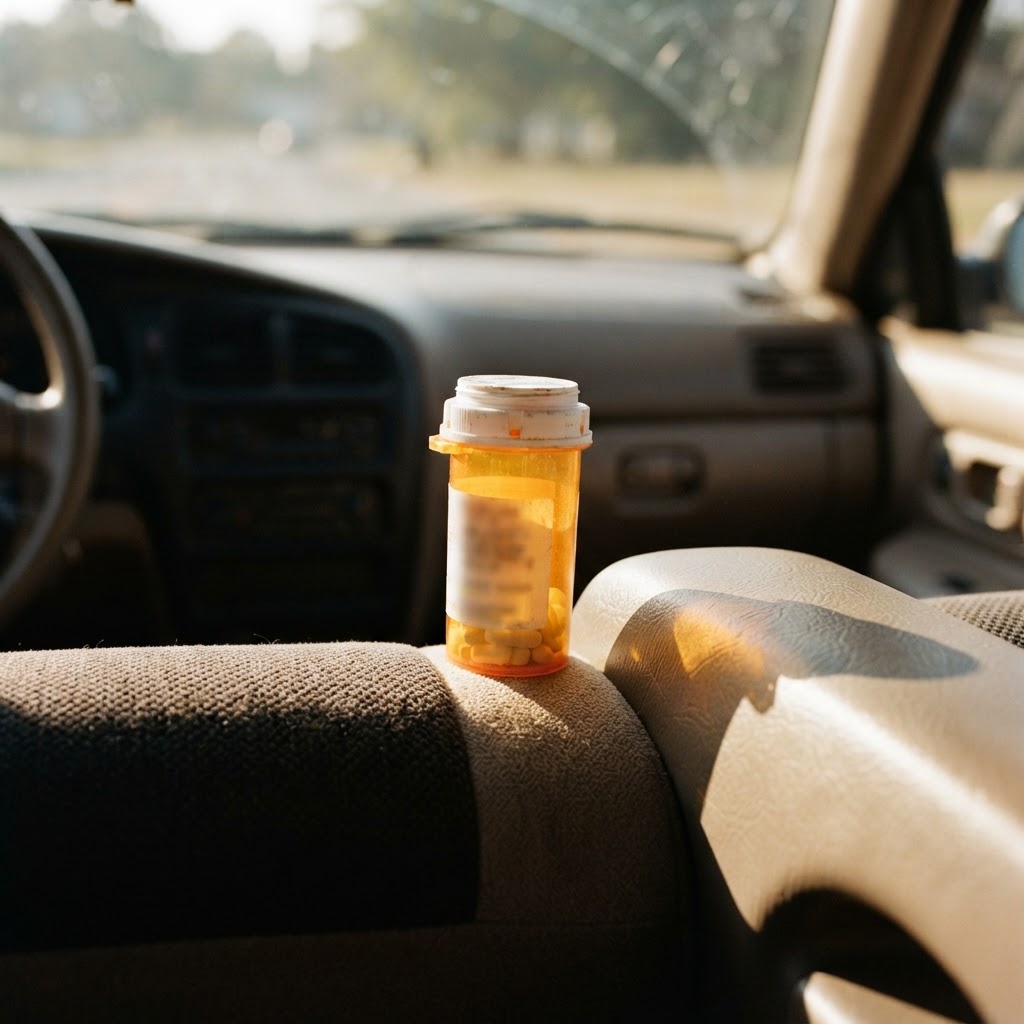
Medicine Left in a Hot Car? What to Tell Your Pharmacist
Learn what information to gather after medicine is exposed to heat, why storage instructions matter, and how to ask about replacement and next doses.
Questions About Compounded Medications?
Sierra Compounding Pharmacy serves patients and providers throughout the Inland Empire. Contact us or ask your provider to send a prescription directly.